










Experienced Chapter 11 Bankruptcy Attorneys in Greensboro, Durham, and all of the Middle District
Financial distress does not only affect individuals. Businesses, professionals, and even high-income individuals can face overwhelming debt that threatens operations, cash flow, and long-term stability. Chapter 11 bankruptcy offers a way to restructure debt while continuing operations and protecting valuable assets.
If you are considering Chapter 11 bankruptcy in Greensboro or Durham, North Carolina, you are likely looking for a strategic solution rather than a shutdown. Chapter 11 is designed to give businesses and certain individuals the opportunity to reorganize, renegotiate obligations, and regain financial footing.
Our Chapter 11 bankruptcy attorneys work closely with business owners, executives, and individuals to evaluate whether reorganization is the right path and to guide them through every stage of the process.
Understanding Chapter 11 Bankruptcy in North Carolina
Chapter 11 bankruptcy is often referred to as reorganization bankruptcy. It allows corporations, small businesses, partnerships, and some individuals to restructure debt under court supervision while continuing operations.
Unlike Chapter 7, which focuses on liquidation, Chapter 11 provides flexibility. A debtor may liquidate certain assets, restructure payment terms, renegotiate contracts, or create a repayment plan that allows the business or individual to remain operational.
Chapter 11 can address complex debt structures and is commonly used by businesses that want to preserve value while resolving financial challenges.
Who Can File for Chapter 11 Bankruptcy in Greensboro or Durham
Chapter 11 bankruptcy is available to a wide range of debtors, including corporations, limited liability companies, partnerships, sole proprietors, and individuals with significant debt or business interests.
There is no maximum debt limit that prevents a business from filing Chapter 11. This makes it a powerful option for companies with large or layered debt obligations that do not qualify for other bankruptcy chapters.
Individuals with high income or complex financial structures may also use Chapter 11 when Chapter 7 or Chapter 13 is not available.
Want more information about bankruptcy? Read more here
How Chapter 11 Bankruptcy Works
The Chapter 11 bankruptcy process generally occurs in two main phases known as pre-confirmation and post-confirmation.
During the pre-confirmation phase, the debtor continues operating as a debtor in possession. This means the business or individual remains in control of assets and operations while developing a plan of reorganization.
The post-confirmation phase begins after the court approves the reorganization plan. At this stage, the debtor implements the approved plan and makes payments according to the new terms.
Throughout both phases, the bankruptcy court oversees the process to ensure compliance and fairness to creditors.
What Chapter 11 Bankruptcy Can Help Restructure
Chapter 11 bankruptcy provides broad restructuring tools that can address multiple layers of debt and obligations. These may include secured debt, unsecured debt, priority tax debt, executive compensation obligations, leases, and long-term contracts.
Chapter 11 may also allow interest rates on secured debt to be adjusted and payment terms extended. Unsecured tax debts may be reduced or restructured over time, depending on the circumstances.
This flexibility makes Chapter 11 especially valuable for businesses seeking long-term viability rather than immediate liquidation.
Advantages of Chapter 11 Bankruptcy
Chapter 11 offers several significant advantages for businesses and individuals facing financial distress.
- Emergency relief allows operations to continue while creditor actions are paused.
- The automatic stay immediately stops collection efforts, lawsuits, foreclosures, and repossessions.
- Businesses can preserve operations, employees, customer relationships, and brand value.
- Debtor in possession financing may be available to fund continued operations during bankruptcy.
- Pre-petition debts are frozen, preventing creditors from demanding immediate payment.
- Interest rates on secured debt may be adjusted through the reorganization plan.
- Unsecured tax debt payments may be reduced or extended over time.
- Executory contracts and leases may be approved or rejected based on business needs.
- Assets, property, or even entire business units may be sold free and clear of liens and claims with court approval.
In many Chapter 11 cases, debts are reorganized rather than eliminated, allowing long-term recovery.
Contact our dedicated team today!
Disadvantages of Chapter 11 Bankruptcy
While Chapter 11 is powerful, it is not the right solution for every situation. There are important considerations to weigh before filing.
- The process can be lengthy and costly compared to other forms of bankruptcy.
- Court oversight may limit certain business decisions.
- There may be partial loss of control over operations, shareholder authority, or executive compensation.
- The court may reject a proposed reorganization plan if it is not deemed viable.
- Ongoing profitability may be required to sustain the plan.
- Extensive financial reporting and disclosure obligations are required throughout the case.
Working with an experienced Chapter 11 bankruptcy attorney in Greensboro or Durham can help you evaluate whether the benefits outweigh the risks.
Related Articles
-
Medical Debt in Greensboro: Is Bankruptcy the Right Option?
Under North Carolina’s Medical Bill De-Weaponization Act, hospitals and debt collectors cannot sue for medical debts, garnish wages or send accounts to collections until at least 180 days after the first bill has been issued. This sounds like a breathing space. For many Greensboro families, this is a countdown, because once this window closes, medical…
-
Greensboro Bankruptcy Lawyer vs. DIY Filing: Pros and Cons
Filing for bankruptcy without an attorney is legally permitted. The U.S. Bankruptcy Court for the Middle District of North Carolina – which serves Greensboro – will accept your pro se petition. The court will also monitor it closely. Before you decide whether to proceed alone, you should understand exactly what that choice entails and what…
-
Foreclosure Defense and Bankruptcy in Durham, NC
If you are falling behind on your mortgage payments, you’re likely to be stressed and unsure of what to do next. Bills are piling up, and you can’t shake the niggling worry that you could lose the home you worked so hard to buy. Fortunately, if you start receiving foreclosure notices or getting calls from…



Chapter 11 Bankruptcy for Small Businesses
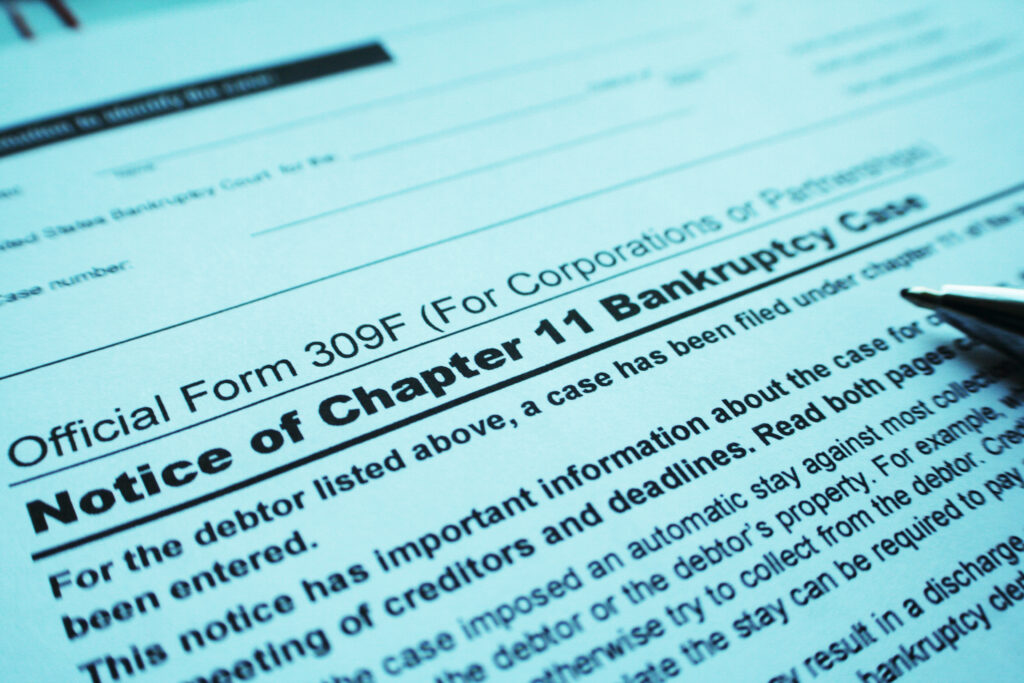
Chapter 11 is not only for large corporations. Many small businesses use Chapter 11 to restructure debt, renegotiate leases, and stabilize operations.
For small businesses, Chapter 11 can provide breathing room while maintaining control and avoiding liquidation. It may also allow owners to preserve equity that would otherwise be lost in Chapter 7.
Understanding how Chapter 11 applies to your specific business structure is critical before filing.
Frequently Asked Questions About Chapter 11 Bankruptcy in Greensboro and Durham NC
Chapter 11 bankruptcy is a reorganization process designed for businesses and certain individuals who need to restructure debt while continuing operations. It is commonly used by corporations, small businesses, partnerships, and high-income individuals who do not qualify for Chapter 7 or Chapter 13.
Yes. Small businesses frequently file for Chapter 11 bankruptcy. It allows them to renegotiate debt, restructure contracts, and continue operating while developing a long-term recovery plan.
Yes. Once a Chapter 11 case is filed, an automatic stay goes into effect. This immediately stops most lawsuits, collection actions, foreclosures, and repossessions, providing breathing room to reorganize.
The length of a Chapter 11 case varies depending on complexity. Some cases may take several months, while others last multiple years. The timeline depends on factors such as creditor negotiations, court approval, and plan implementation.
In most cases, the debtor remains in control as a debtor in possession. However, the court may impose oversight, reporting requirements, or restrictions on certain decisions. In rare cases, a trustee may be appointed.
Chapter 11 typically focuses on restructuring rather than eliminating debt. Some debts may be reduced, reclassified, or discharged after plan confirmation, but the primary goal is long-term repayment under revised terms.
Chapter 11 is one of the most complex forms of bankruptcy. Working with an experienced Chapter 11 bankruptcy attorney in Greensboro or Durham is strongly recommended to ensure compliance, protect assets, and improve the chances of plan approval.
Why Work With a Local Chapter 11 Bankruptcy Attorney in Greensboro or Durham
Chapter 11 bankruptcy involves complex legal, financial, and strategic considerations. Local experience matters. Attorneys familiar with Greensboro and Durham courts understand local procedures, judges, and trustee expectations.
This local knowledge helps streamline the process and avoid unnecessary delays or compliance issues.
Speak With a Chapter 11 Bankruptcy Attorney in Greensboro or Durham NC
If your business or financial situation requires a strategic approach rather than liquidation, Chapter 11 bankruptcy may provide the solution you need. A consultation with an experienced Chapter 11 bankruptcy attorney can help you understand your options and determine the best path forward.
Contact our office today to discuss whether Chapter 11 bankruptcy is the right fit for your business or financial goals in Greensboro or Durham, North Carolina.