










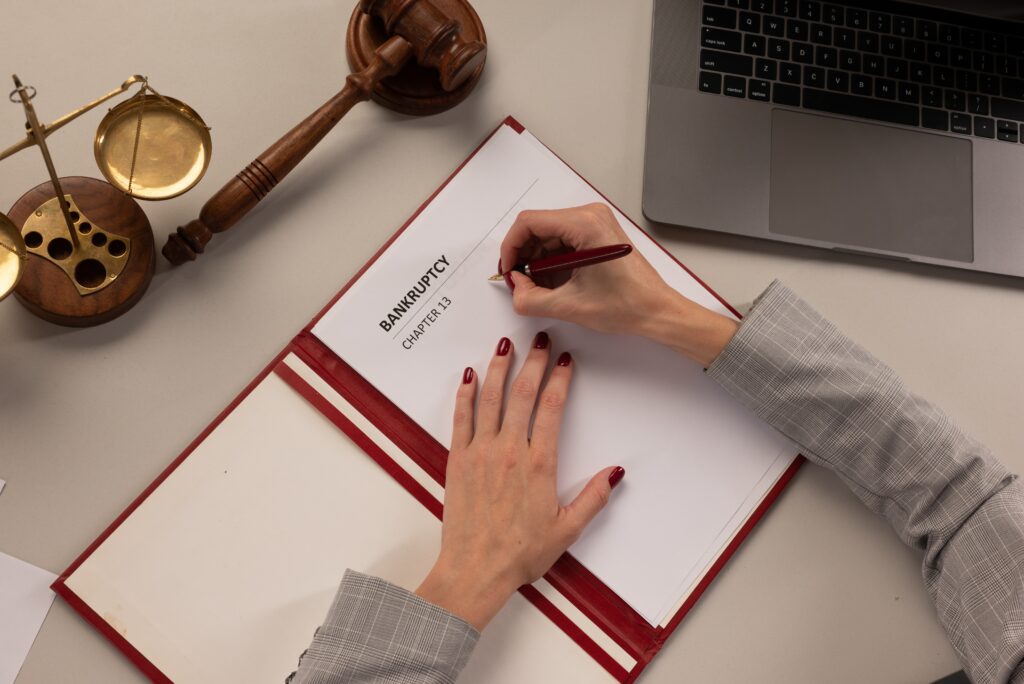
Experienced Chapter 13 Bankruptcy Attorneys in Greensboro, Durham, and all of the Middle District
For many individuals and families, debt problems are not solved by walking away from obligations. If you have steady income but need time and structure to catch up, Chapter 13 bankruptcy may provide the relief you are looking for.
For most individuals, there are two primary types of bankruptcy that may help resolve overwhelming debt: Chapter 7 and Chapter 13. Both are designed to provide a financial fresh start. The key is choosing the right option based on your income, assets, and long-term goals.
Our Chapter 13 bankruptcy attorneys in Greensboro and Durham take the time to review your full financial picture. We explain the advantages and disadvantages of bankruptcy as well as alternatives outside of bankruptcy so you can make the best decision for your future.
Learn about our dedicated team of attorneys
Understanding Chapter 13 Bankruptcy in North Carolina
Chapter 13 bankruptcy is sometimes called a reorganization bankruptcy or a wage earner’s plan. It is available to individuals who have a regular source of income. This income may come from wages, self-employment, Social Security, disability benefits, or unemployment compensation.
The purpose of Chapter 13 is to allow you to repay some or all of your debts over time while protecting your property. Instead of eliminating debts immediately, Chapter 13 creates a structured repayment plan that lasts three to five years.
This type of bankruptcy is often used by people who want to keep their home, vehicle, or other important assets but need time to catch up on missed payments.
Frequently Asked Questions About Chapter 13 Bankruptcy in Greensboro and Durham NC
Chapter 13 bankruptcy is a repayment plan for individuals with regular income. You may qualify if you earn wages, receive Social Security, disability, or other steady income and meet debt eligibility requirements.
Most Chapter 13 plans last three to five years. The length depends on income, household size, and other financial factors.
Yes. Filing Chapter 13 bankruptcy immediately stops foreclosure through the automatic stay. It also allows you to repay missed mortgage payments over time while keeping your home.
In most cases, no. Chapter 13 is designed to protect property. If you have non-exempt assets, you can usually keep them by paying their value through your repayment plan.
Chapter 13 may lower monthly payments by extending repayment terms, reducing interest rates on certain secured debts, or restructuring how debts are paid.
Missing payments can put your case at risk of dismissal. If you experience financial hardship, it is important to contact your bankruptcy attorney immediately to discuss options.
Generally, you may not take on new debt without court approval during a Chapter 13 case. This includes new loans, financing, or major credit purchases.
Chapter 13 may be better if you have steady income, are behind on secured debts, or want to protect property. A bankruptcy attorney can help determine which option best fits your situation.
How a Chapter 13 Payment Plan Works
In a Chapter 13 case, you make one monthly payment to a Chapter 13 trustee. The trustee then distributes those funds to creditors according to the terms of your court-approved plan.
The amount of your monthly payment is based on several factors, including your income, reasonable living expenses, required debt payments, and the value of any non-exempt property you wish to keep.
Once your plan is completed, remaining eligible unsecured debts are discharged.
Property in a Chapter 13 Bankruptcy
Chapter 13 treats property differently than Chapter 7. In a Chapter 13 case, the trustee does not collect and sell property.
If you have non-exempt property and want to keep it, you may do so by paying its value into your Chapter 13 plan over time. This allows you to protect assets that might otherwise be lost in a Chapter 7 case.
If you choose to sell non-exempt property, the sale can be handled through the bankruptcy court, with proceeds paid into the plan for the benefit of creditors.
This flexibility makes Chapter 13 a strong option for individuals who want to preserve property while addressing debt.
How Secured Debts Are Handled in Chapter 13 Bankruptcy
As with Chapter 7, secured debts in Chapter 13 require you to decide which property you want to keep and which property you are willing to surrender.
If you choose to surrender secured property, the creditor may repossess or foreclose and apply state law remedies to satisfy the debt.
If you want to keep secured property, your Chapter 13 plan allows you to do so while restructuring how the debt is paid.
Residential Real Property in Chapter 13
For your primary residence, you must continue making your regular monthly mortgage payments going forward. However, if you are behind on payments, Chapter 13 allows you to pay those arrearages over the three to five year life of the plan.
This can stop foreclosure and give homeowners in Greensboro and Durham the opportunity to catch up without losing their home.
Related Articles
-
Medical Debt in Greensboro: Is Bankruptcy the Right Option?
Under North Carolina’s Medical Bill De-Weaponization Act, hospitals and debt collectors cannot sue for medical debts, garnish wages or send accounts to collections until at least 180 days after the first bill has been issued. This sounds like a breathing space. For many Greensboro families, this is a countdown, because once this window closes, medical…
-
Greensboro Bankruptcy Lawyer vs. DIY Filing: Pros and Cons
Filing for bankruptcy without an attorney is legally permitted. The U.S. Bankruptcy Court for the Middle District of North Carolina – which serves Greensboro – will accept your pro se petition. The court will also monitor it closely. Before you decide whether to proceed alone, you should understand exactly what that choice entails and what…
-
Foreclosure Defense and Bankruptcy in Durham, NC
If you are falling behind on your mortgage payments, you’re likely to be stressed and unsure of what to do next. Bills are piling up, and you can’t shake the niggling worry that you could lose the home you worked so hard to buy. Fortunately, if you start receiving foreclosure notices or getting calls from…

Non-Residential Secured Property
For secured property other than your residence, such as vehicles or business equipment, Chapter 13 may allow you to pay only the value of the property rather than the full balance owed. In some cases, interest rates may be adjusted, which can significantly reduce monthly payments.
Unsecured Debts in Chapter 13 Bankruptcy
In general, debts that are dischargeable in Chapter 7 are also dischargeable in Chapter 13. Chapter 13 can provide even broader relief because certain debts must be addressed through the repayment plan.
During the life of the plan, you are required to pay any past-due child support, alimony, and certain tax obligations in full. You must also stay current on these obligations going forward.
Unsecured creditors may receive partial payment or, in some cases, no payment at all depending on your financial situation and plan terms.
You may not incur new debt during your Chapter 13 case without court approval.
Considering Chapter 13 Bankruptcy? Contact us today
Benefits of Chapter 13 Bankruptcy
Chapter 13 offers several advantages for individuals with steady income.
- It allows you to stop foreclosure and repossession.
- It provides time to catch up on missed mortgage and car payments.
- It protects non-exempt property.
- It consolidates debts into one manageable monthly payment.
- It can reduce interest rates and restructure secured debt.
- It offers a clear path to debt relief while maintaining financial stability.
Potential Challenges of Chapter 13 Bankruptcy
Chapter 13 requires commitment and discipline. The process lasts three to five years, and you must make payments on time.
- Court approval is required for certain financial decisions.
- Missing payments can result in dismissal of the case.
- Extensive financial disclosure and ongoing reporting are required.
An experienced Chapter 13 bankruptcy attorney in Greensboro or Durham can help you understand whether the benefits outweigh the challenges.
Why Work With a Local Chapter 13 Bankruptcy Attorney in Greensboro or Durham
Chapter 13 bankruptcy involves detailed rules, calculations, and court procedures. Working with a local attorney who regularly practices in Greensboro and Durham ensures familiarity with local trustees, judges, and expectations.
This local knowledge can help avoid delays and improve the likelihood of a successful outcome.
Speak With a Chapter 13 Bankruptcy Attorney in Greensboro or Durham NC
If you have income but need time and structure to regain control of your finances, Chapter 13 bankruptcy may be the right solution. Our attorneys are here to help you evaluate your options and guide you through every step of the process.
Contact our office today to schedule a consultation and learn whether Chapter 13 bankruptcy is right for you in Greensboro or Durham, North Carolina.